
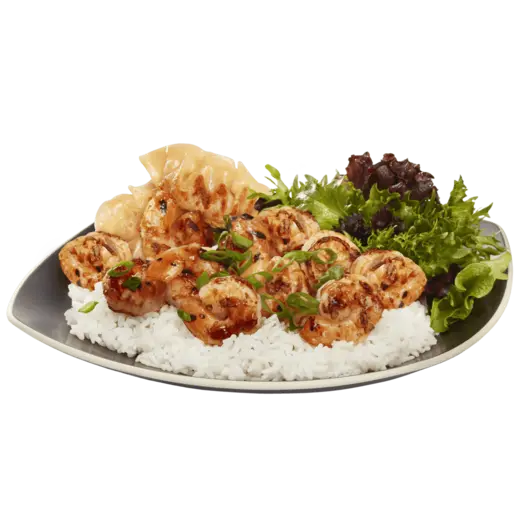
Sauce is a finishing decision
A sauce can change the direction of a meal in a single spoonful. It may sharpen a savory centerpiece with citrus, add toasted depth through sesame, bring gentle warmth with pepper, or connect rice and vegetables with a consistent aromatic note. That influence makes sauce more than a decoration.
The best finish respects what happened over the fire. It supports browning, smoke, and texture rather than flattening everything into one flavor. This balance begins by understanding the role each component already plays.
Balance richness with brightness
Direct heat creates deep savory character. Acidity can keep that richness lively, especially when the meal includes rice or a generous protein portion. Citrus, vinegar, and bright aromatics are common tools, but the goal is not simply to make a sauce sour. It is to create movement from one bite to the next.
A rounded sauce often contains contrast within itself: savory and bright, warm and fresh, smooth and textured. Small details such as scallions, ginger, or toasted seeds can add aroma that appears before the sauce fully reaches the palate.
Use heat with intention
Chile can contribute fruitiness, smokiness, warmth, or a fast sharp edge. Calling a sauce spicy does not describe which of those experiences it creates. A thoughtful menu gives guests enough language to choose without turning heat into a challenge.
For group meals, keeping a bolder sauce on the side can give more people control. For a composed bowl, a measured finish can distribute flavor while preserving the identity of vegetables, rice, and protein.
Texture changes the experience
Sauce can be glossy, creamy, light, or textured. A thinner sauce may move through rice and greens, while a thicker finish may cling to sliced protein. Seeds, chopped herbs, and crisp toppings can add another layer, though each addition should have a purpose.
The serving format matters too. Takeout time, temperature, and the way a guest mixes the meal can all affect texture. A sauce that performs beautifully at the counter should also make sense after a short trip.
Give guests useful choices
A short range of clearly different sauces can make customization intuitive. Instead of presenting many vague names, describe the central character: smoky red pepper, ginger sesame, or citrus chile. Guests can then connect that language with the rest of their meal.
Choice works best when it feels guided. The menu can suggest pairings while leaving room for personal preference. That combination of direction and control is one of the reasons sauces are so valuable in a flexible restaurant format.
Practical takeaway
Treat sauce as part of the composition. Use it to create contrast, connect ingredients, and give guests meaningful control while preserving the character created by the fire.