
Start with a clear point of view
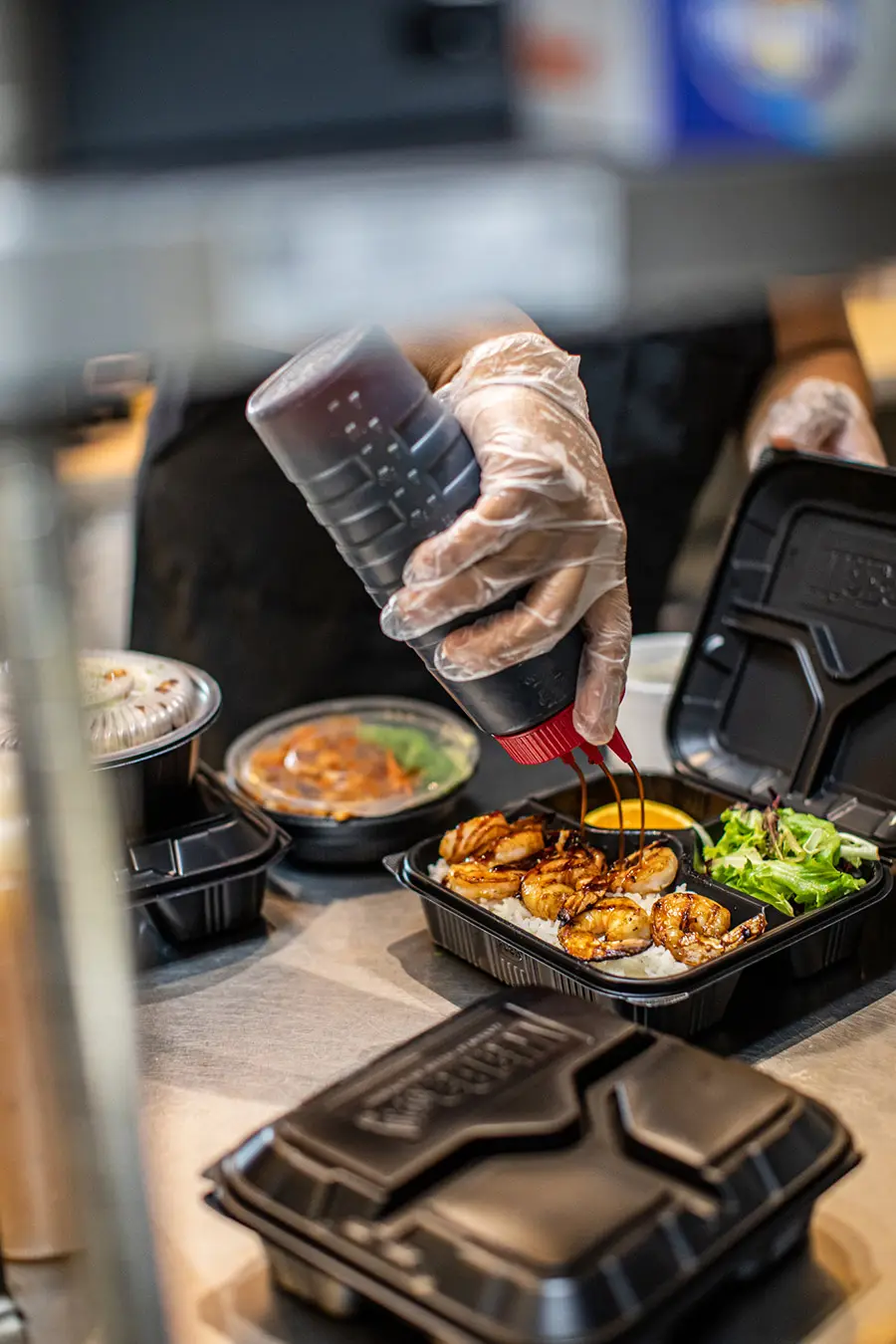
A focused restaurant menu begins with a decision about what the kitchen wants to express. For Wagagrill, that decision is the character created by direct heat: savory edges, warm aromas, and the contrast between a just-cooked centerpiece and crisp, fresh accompaniments. This point of view keeps the menu coherent even when the format changes from a rice bowl to a salad, plate, wrap, taco, or family meal.
Focus does not mean every item tastes the same. It means every choice feels connected. A guest should understand why the ingredients belong together and how a sauce, vegetable, or base supports the centerpiece rather than competing with it.
Create variety through structure
A modular menu creates meaningful variety without becoming difficult to navigate. Bases provide comfort or freshness. Chicken, steak, seafood, and vegetable-forward combinations provide different textures. Toppings add color and crunch. Sauces shift the personality from smoky to citrus-led or ginger-sesame.
Because the building blocks are understandable, guests can explore without starting from zero. A familiar bowl can become a lighter salad on another visit, while a favorite protein can move into a wrap or plate. The kitchen benefits from a clear system, and the guest experiences flexibility rather than repetition.
Use contrast to make a meal satisfying
The most memorable combinations rarely rely on one dominant note. Warm rice benefits from crisp vegetables. A savory protein becomes more expressive with citrus or chile. Tender ingredients gain energy from cabbage, scallions, or toasted toppings. Even visual contrast matters: bright greens and red peppers make a dark, charred centerpiece feel more vivid.
Sauce is part of that contrast, but it should not hide careful cooking. A good finish connects the elements and gives the guest control over intensity. Offering a few distinct sauce directions is often more useful than offering a long list with only small differences.
Design for real occasions
Restaurant menus live in the rhythm of people’s days. A quick solo lunch needs clarity and speed. A family meal needs shareable components. Catering needs organization, transport, and easy serving. Group orders benefit from individually packed options and clear labels. The same culinary point of view can support all of those occasions when the menu is designed as a system.
This is why operational questions belong in menu development from the beginning. A dish must make sense on the page, on the line, in a takeout container, and at the table. Thoughtful constraints can strengthen creativity by keeping attention on the guest experience.
Keep improving through observation
A menu is never finished simply because it has been printed. Teams learn which explanations help guests choose, which combinations travel well, and where the service flow can be clearer. Listening does not require chasing every trend. It requires noticing patterns and refining with purpose.
The strongest improvements protect the restaurant’s identity while removing friction. That might mean a clearer category name, a more useful description, a better organized catering format, or a seasonal idea that fits naturally with the existing system.
Practical takeaway
A strong menu pairs a recognizable culinary point of view with a flexible structure. Start with the experience you want to create, then make every base, centerpiece, topping, sauce, and service format support it.