
Think in components, not endless orders
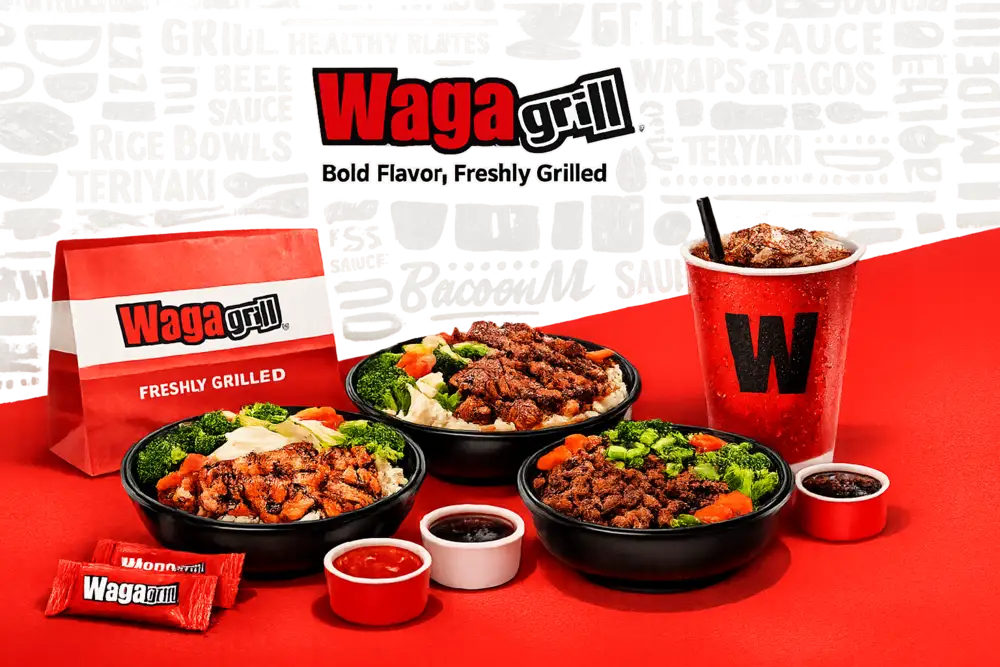
Group planning becomes easier when choices are organized into a few useful components: bases, grilled centerpieces, vegetables, sauces, and sides. This framework creates variety without asking every guest to design an entirely different meal. It also makes the serving table easier to understand.
For some groups, individually packed bowls remain the simplest answer. For others, a shared setup creates a relaxed sense of abundance. The component approach works in both formats because it makes the decisions visible and predictable.
Offer meaningful contrast
Variety is not only the number of proteins on the table. It can come from warm and crisp textures, rice and greens, mild and brighter sauces, or hearty and vegetable-forward combinations. A small set of distinct choices is often more satisfying than many choices that feel nearly identical.
Consider how the meal looks as well as how it tastes. Colorful vegetables and fresh toppings help guests read the table quickly and make a plate that feels complete. Sauces should be labeled and placed where they do not slow the line.
Ask dietary questions early
Invite guests to share allergies or specific requirements privately and ahead of the event. Send those questions to the restaurant with enough time for an accurate response. Shared kitchens can present cross-contact risk, so an organizer should never infer that a dish is suitable based only on its title or appearance.
Clear communication is more useful than broad labels. Describe the specific concern, ask about current ingredients and preparation, and pass the restaurant’s answer to the guest without adding promises of your own.
Match the format to the room
A shared bowl setup needs table space, serving utensils, labels, and a path that allows people to move without crowding. Individually packed meals need an organized distribution point, especially when names or preferences are involved. Family-style platters need a comfortable seated table and a plan for passing or serving.
Walk through the room in your mind. Where will people enter? Where will drinks sit? Is there space for a second line? Practical layout decisions often matter as much as the menu itself.
Leave room for hospitality
A well-planned group meal should not feel like a logistics exercise to the people eating it. Once the important details are settled, keep the guest-facing experience simple: a clear welcome, understandable labels, easy access to utensils, and time to enjoy the meal.
Hospitality is the final organizing principle. The food, room, timing, and communication should work together so guests can focus on one another rather than the mechanics of lunch.
Practical takeaway
Use a small set of distinct components, communicate dietary questions early, and choose a service format that fits the room. Simplicity and flexibility can share the same table.