
Begin with a reliable framework
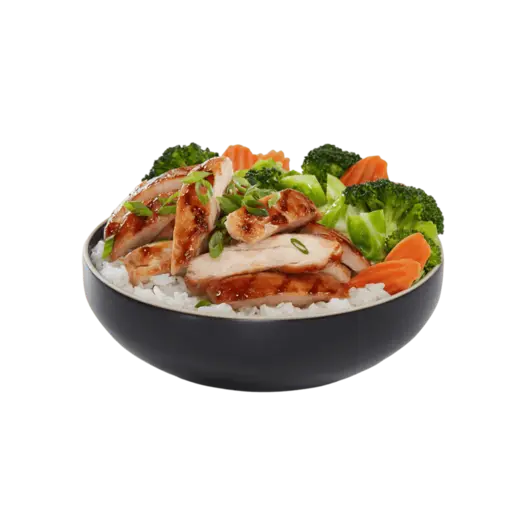
A customizable bowl works because the guest is not choosing from an empty page. The structure is already there: a base, a grilled or vegetable-forward centerpiece, vegetables, toppings, and sauce. Each category has a clear job, which makes the final combination feel composed.
Signature bowls provide useful examples. They show how the kitchen thinks about balance and give guests a confident choice when they do not want to make every decision. Customization can then be selective rather than total.
Bases shape the meal
Rice provides warmth, comfort, and a neutral place for savory sauces to gather. Greens create a cooler, crisper experience and emphasize fresh vegetables. Some guests may prefer a combination when available. The base changes texture and pacing even when the other ingredients remain the same.
Menu language should describe these differences without attaching unsupported health claims. Preference, appetite, and occasion are enough reasons to choose one format over another.
Centerpieces create identity
Chicken, steak, seafood, and charred vegetables each bring a different texture and flavor profile. Direct heat gives them a shared culinary connection, allowing the rest of the menu to remain coherent. A guest can return to a familiar sauce or base while changing the centerpiece for variety.
Vegetable-forward does not need to mean secondary. When charred produce is seasoned and composed with the same attention as other centerpieces, it gives guests a distinct choice rather than a substitute.
Toppings and sauces add direction
Cabbage, scallions, cucumbers, carrots, peppers, and toasted elements can add crunch, freshness, color, and aroma. A sauce then connects those pieces. Smoky red pepper leads the bowl in one direction; ginger sesame or citrus chile creates another.
Too many minor options can make customization harder. A focused range of clearly different additions helps guests understand the effect of each choice and helps the kitchen prepare consistently.
Communication still matters
Customization does not automatically make a meal suitable for an allergy or specific dietary requirement. Ingredients can change, and shared areas can create cross-contact. Guests should contact the restaurant before ordering and explain their needs directly.
For everyone else, the bowl format offers a practical kind of flexibility: the ability to adjust texture, emphasis, and intensity while staying inside a menu the kitchen knows how to execute well.
Practical takeaway
Use a clear bowl framework, offer distinct choices, and provide signature combinations as guidance. Flexibility is most useful when every option has an understandable purpose.